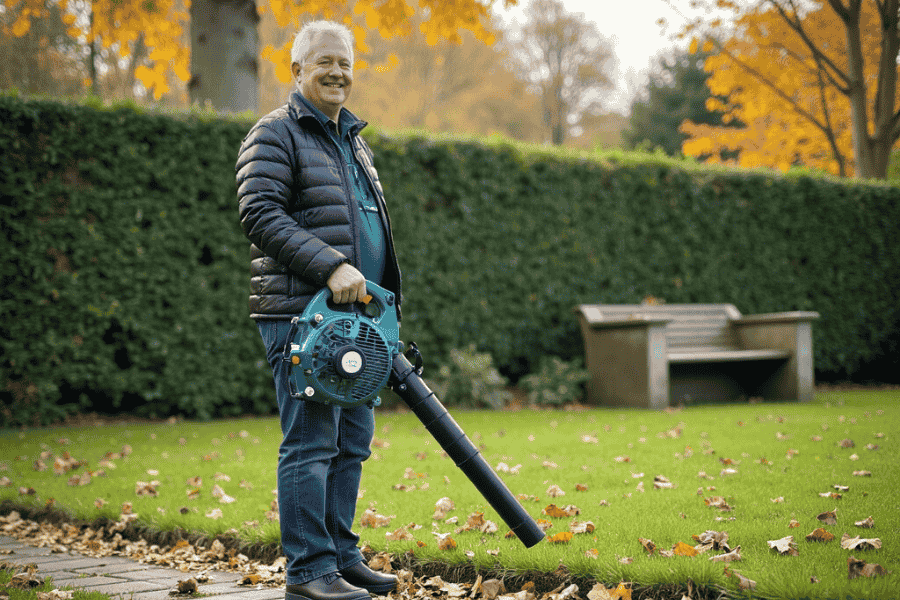
Many homeowners find themselves wondering if purchasing a leaf blower is really worth the investment. With autumn leaves piling up and garden debris needing a tidy-up, a leaf blower can seem like an attractive option. For those with large gardens needing regular maintenance, a leaf blower can indeed be a time-saving tool. Yet, for people with smaller areas or rare needs for use, alternatives like a rake could make more sense.
Leaf blowers offer advantages that go beyond just clearing leaves. Certain models are versatile enough to handle snow or other debris, transforming tasks that demand physical effort into simple chores. They can deliver more consistent results compared to manual tools, particularly in larger spaces where fatigue might be a factor.
However, considering factors such as budget, noise, and environmental impacts is really quite important. A balance needs to be struck between efficiency and responsibility. By weighing your specific garden needs and personal priorities, you can determine if a leaf blower is the right choice for you.
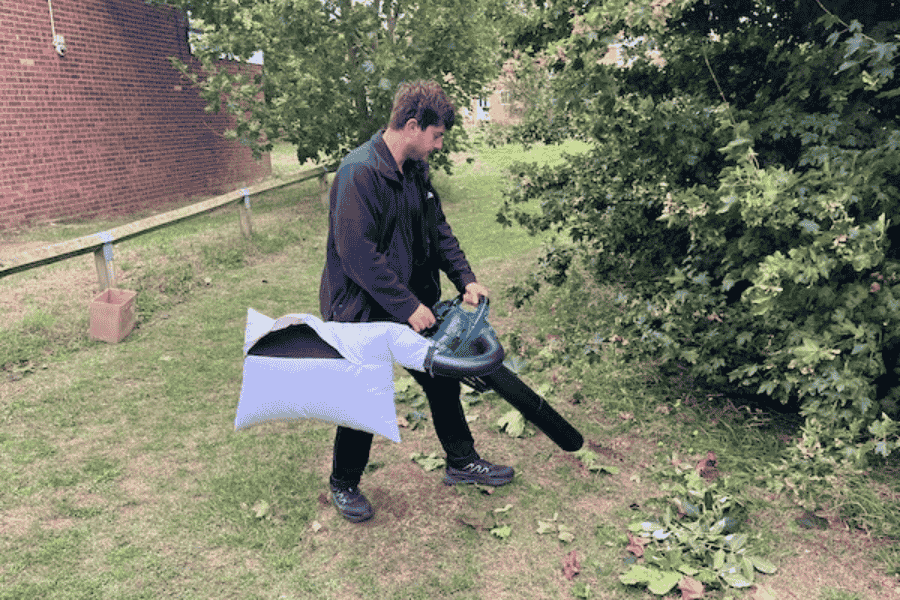
Assessing the Value of Leaf Blowers
A leaf blower can be a valuable tool for anyone looking to maintain their garden efficiently. Its performance, power, noise levels, and vibration play significant roles in determining its overall value for money.
Assessing Power and Performance
Leaf blowers are evaluated based on air speed and cubic feet per minute (CFM). Both these aspects influence how effectively the blower clears leaves and debris. A high air speed, measured in miles per hour (mph), is critical for moving heavier debris, while a high CFM indicates the blower’s ability to move more leaves at once.
Gas-powered blowers usually deliver superior performance with impressive air speed and CFM. However, the electric models come close, especially the corded variants, offering sustained power without needing refuelling. Battery-powered blowers are improving, providing mobility with decent power for smaller tasks. When thinking about a purchase, examine both the air speed and CFM requirements for your specific garden or yard size.
Understanding the Noise and Vibration Factors
Noise and vibration are often overlooked when assessing leaf blowers. Gas blowers tend to be the loudest and have the most vibration. This can be important for those sensitive to noise levels or those living in noise-restricted areas. Electric leaf blowers are generally quieter and have less vibration, making them desirable for noise-conscious users.
To measure noise, look at the decibel (dB) levels, which vary across different types of blowers. Lower vibration helps reduce strain for prolonged use, enhancing comfort. Before buying, try to check the noise and vibration levels in person or through reliable user reviews. This can help in making a more informed decision.

Types of Leaf Blowers
When deciding on the best leaf blower for your needs, it’s important to think about the kind of power source that suits you. Each type has its strengths and weaknesses in terms of performance, convenience, and environmental impact.
Cordless Leaf Blowers: Pros and Cons
Cordless leaf blowers offer great flexibility and ease of use. They run on battery power, eliminating the need for cords or petrol. This makes them highly portable and ideal for moving around the garden without restrictions.
Most models include a battery and charger, but battery life can be limited. They often deliver slightly less power compared to petrol models. However, for smaller gardens or light leaf work, cordless options can be quite effective. Zero emissions during use make these an environmentally friendly choice.
Evaluating Corded Leaf Blowers
Corded leaf blowers are a practical option when you have access to electricity and need consistent power. They are often lighter than petrol models and can deliver strong airflow, making them effective for most residential tasks.
One downside is the restriction of movement due to the power cord. This can be inconvenient for large gardens or areas away from power outlets. Despite this, corded leaf blowers are reliable as they do not run out of power during use, making them suited for extended tasks.
Petrol Leaf Blowers vs. Electric Models
Petrol leaf blowers are known for their impressive power and are effective for heavy-duty tasks, such as larger properties or wet leaf clearing. They do generate emissions, unlike electric models, and require regular maintenance. This includes fueling and oil changes, which can add to the ongoing cost.
Electric models, which include both cordless and corded types, provide an eco-friendlier alternative. They are quieter, have less vibration, and normally involve less maintenance. However, if maximum power is needed, petrol blowers are often the go-to choice despite their environmental impact.

Impact on User Experience
When considering if a leaf blower is worth buying, it’s important to think about how easy it is to use and how it fits with your gardening needs. Comfort, efficiency, and whether it makes tasks easier all play roles in what makes a leaf blower a good buy.
Ease of Use and Ergonomics
Leaf blowers are designed to make garden work more efficient. Key features like a comfortable handle and lightweight design help reduce strain during use.
Backpack blowers distribute weight evenly, making them ideal for larger areas like lawns. Cruise control functions maintain a steady airflow, reducing the need for constant throttle adjustments. This is especially useful when dealing with stubborn wet leaves or extensive dry leaves on decking.
The ergonomics of a leaf blower can significantly impact usability. A well-designed blower allows for hours of work without fatigue, making garden maintenance less of a chore. For those using a leaf blower vacuum, ease of switching between blowing and vacuuming also contributes to convenience in handling scattered debris.
Finding the Best Fit for Your Garden
The size and type of your garden dictate the best leaf blower for you. For a small garden or simple tasks, a lightweight blower is often sufficient. These models are handy for quick cleanups, such as clearing leaves from a path or deck.
For people with larger gardens or complex tasks, more powerful models provide better performance. These include leaf blower vacuums that can handle a bigger amount of debris and shifts between functions easily. Knowing if you need more power or portability helps in choosing the best tool.
Different tasks might need different tools, so understanding what features cater to specific needs ensures the right fit for both user and garden.

Frequently Asked Questions
Leaf blowers can offer convenience for garden maintenance, but there are several factors to consider before purchasing one. Let’s explore how these tools compare with traditional methods, what to look for in models, and potential downsides.
What are the advantages of using a leaf blower over traditional raking?
Leaf blowers can save time and effort, particularly in large gardens. They allow users to clear leaves quickly without the physical strain of raking. They’re efficient in removing leaves from hard-to-reach places, like under bushes or tight corners.
Can a leaf blower with a vacuum function effectively replace separate garden tools?
A leaf blower with a vacuum function can be versatile, allowing users to collect leaves and debris easily. For some, it can replace the need for separate tools like rakes or lawn sweepers, especially in smaller gardens or less demanding tasks.
What aspects should one consider when choosing the best cordless leaf blower?
It’s important to look at battery life, efficiency, and noise level. Durable materials and a lightweight design improve usability. Battery chargers and interchangeable packs can also be handy if extended use is necessary.
How does a petrol leaf blower compare to an electric model in terms of performance?
Petrol leaf blowers often have more power and can handle tougher tasks. They’re suitable for larger areas, but tend to be heavier and noisier. Electric models are usually quieter, lighter, and suitable for smaller gardens, though they may have less power.
Are there any notable downsides to using a leaf blower for garden maintenance?
Noise pollution is a common issue, potentially disturbing neighbours. Some models contribute to environmental pollution due to gas emissions. The cost of purchase and maintenance might also be a consideration for many users.
In terms of long-term value, how does investing in a high-quality leaf blower pay off?
High-quality leaf blowers often provide better performance and durability, reducing the need for frequent replacements. They can save time year after year, making gardening tasks easier and less physically demanding. Choosing a reliable brand can ensure it meets users’ needs over time.