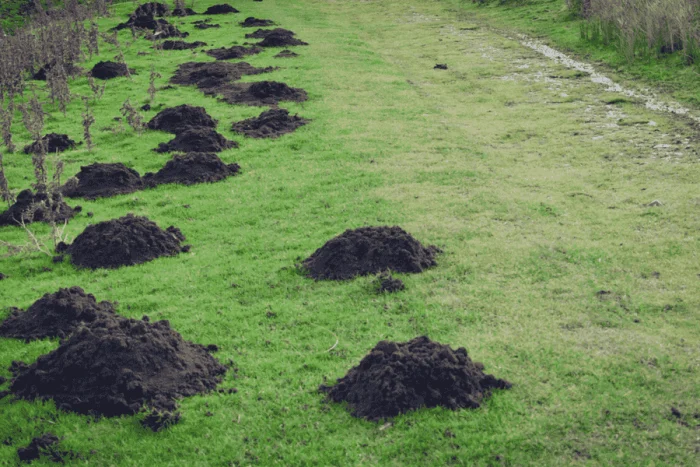
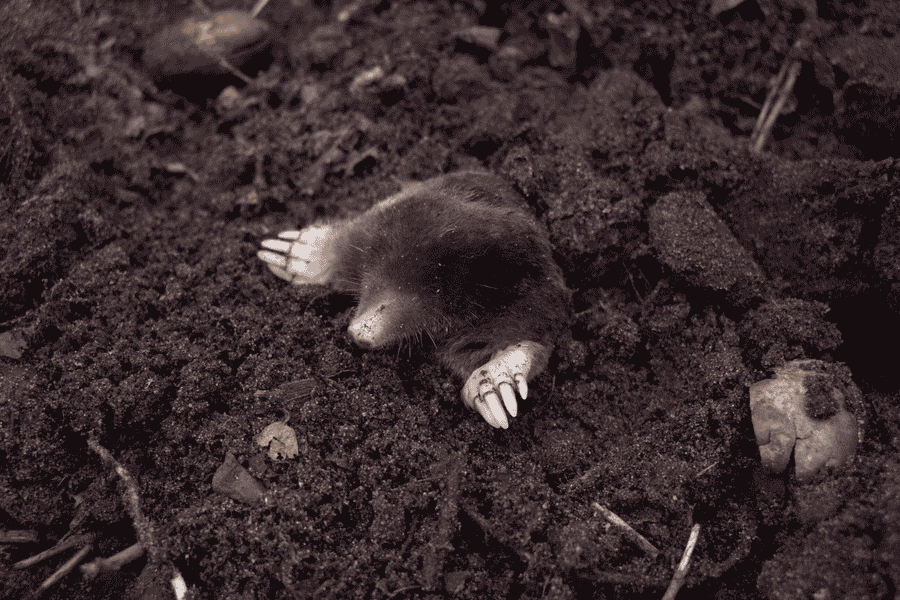
Moles might be nature’s underground engineers, but their relentless tunnelling can transform a pristine lawn into a chaotic maze of ridges and molehills that would challenge even the most dedicated groundskeeper. These solitary insectivores don’t actually eat your plants, but their excavation work damages root systems, creates unsightly mounds, and can turn a simple walk across the garden into an obstacle course of trip hazards and unstable ground.
Successfully catching a mole requires more than just placing a trap and hoping for the best. You need to understand their behaviour patterns, identify their preferred routes, and execute a systematic approach that targets their most active areas. The difference between success and frustration often comes down to patience, observation, and choosing the right method for your specific situation and ethical preferences.
How to Catch a Mole – Quick Answer
The most effective approach involves identifying active tunnel systems through testing, then placing either lethal traps (scissor-jaw or harpoon types) directly in main tunnels, or using humane bucket traps for live capture. Success depends on using gloves to avoid human scent, ensuring traps are properly positioned in confirmed active tunnels, and checking them daily until capture is achieved.
Understanding Mole Behaviour and Activity
Before attempting any capture method, you need to distinguish between active and abandoned tunnel systems. Moles can dig up to 45 metres of new tunnels daily, but they don’t use every tunnel they create. Many of the surface ridges crisscrossing your lawn may be old feeding tunnels that the mole has already exhausted and abandoned.
The key to successful mole catching lies in finding their “motorway” tunnels – the main highways they use repeatedly to travel between feeding areas and their nest. These tunnels typically run along boundaries like fences, walls, or tree lines, and they’re usually deeper and straighter than the random surface ridges you see scattered across open lawn areas.
To test tunnel activity, flatten a section of ridge about 30-60cm long and mark the spot. Check it after 24 hours – if the tunnel has been repaired with fresh soil pushed up, you’ve found an active route. If it remains flat, that tunnel is likely abandoned and not worth targeting.
Fresh molehills provide another excellent indicator of current activity. Look for mounds with damp, loose soil that feels freshly excavated. Old molehills develop a crusty surface and may have grass or weeds beginning to grow through them.
Choosing Your Capture Method
Your approach to mole control depends largely on your personal ethics, local regulations, and the severity of your mole problem. Both lethal and humane options can be effective when properly implemented.
Lethal Trapping Options
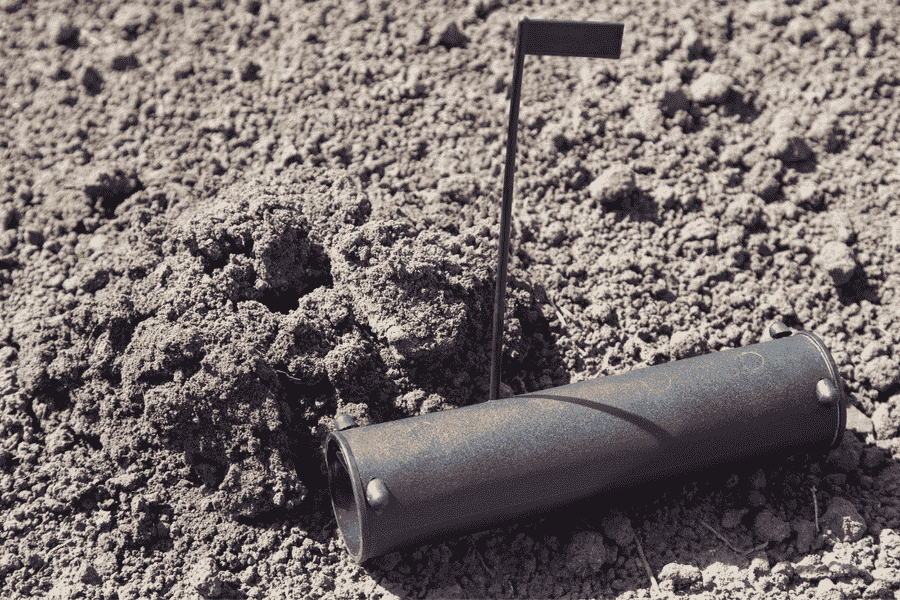
Scissor-Jaw Traps represent the most reliable option for permanent mole removal. These spring-loaded devices clamp shut when a mole pushes against the trigger mechanism while travelling through the tunnel. Position them over active tunnels after clearing away a small section of soil, ensuring the jaws span the tunnel width properly. The key is making the trap sensitive enough to trigger from the light pressure of a mole’s movement.
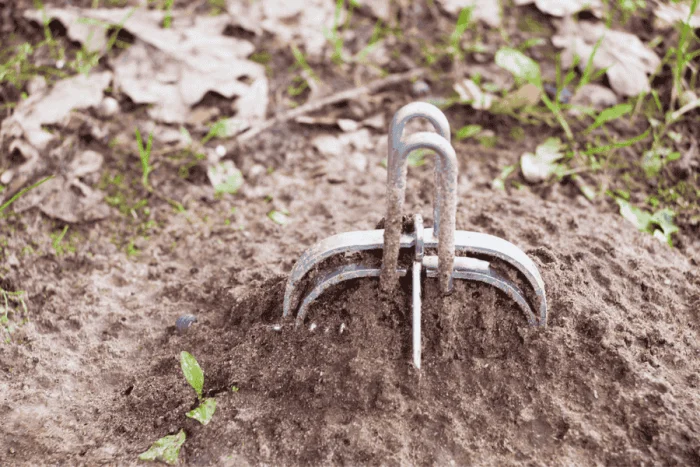
Harpoon Traps work well for shallow surface ridges and are easier for beginners to set correctly. Position the legs on either side of an active tunnel, with the spring-loaded spike mechanism centered above the run. When the mole pushes against the trigger plate below, the harpoon drives down to dispatch the animal quickly.
Choker Loop Traps function like underground snares, using loops inserted into tunnel openings that tighten around the mole when triggered. These require more precise placement but can be very effective in narrow tunnel systems.
Humane Live-Capture Methods
Bucket Traps offer an effective live-capture solution for those preferring relocation over lethal control. Dig a hole beneath an active tunnel and sink a large bucket so its rim sits flush with the tunnel floor. Cover the top with a piece of plywood to maintain darkness – moles instinctively avoid light and won’t enter exposed areas. When the mole falls into the bucket while travelling its normal route, the smooth sides prevent escape.
Tilt-Sensor Systems represent a more sophisticated approach for tech-minded gardeners. These involve placing motion sensors over collapsed tunnel sections that alert you when the mole returns to repair the damage. This allows for immediate manual capture, though it requires quick response and some skill with a spade.
Trap Comparison Guide
| Trap Type | Best For | Success Rate | Humane? |
|---|---|---|---|
| Scissor-jaw | Deep, straight tunnels | High | No |
| Harpoon | Shallow ridges | Moderate | No |
| Choker loop | Narrow tunnels | High | No |
| Bucket trap | High-traffic areas | Moderate | Yes |
Proper Trap Placement and Setup
Success with any mole trap depends heavily on correct placement and setup technique. Always wear gloves when handling traps or disturbing tunnel systems – moles have extremely sensitive noses and will avoid areas contaminated with human scent. Dedicated mole-trapping gloves that you use only for this purpose work best.
Bury or cover traps to maintain the darkness that moles expect in their tunnel systems. Even small light leaks can cause moles to avoid an area entirely or create bypass tunnels around your trap. Use loose soil or pieces of turf to cover gaps without interfering with the trap mechanism.
Adjust trigger sensitivity to accommodate the light weight of moles, which typically weigh only 100-170 grams. Many traps come set for larger animals and need fine-tuning to respond to mole movement. Test the trigger mechanism carefully before setting to ensure it will activate with minimal pressure.
Deploy multiple traps simultaneously in different active tunnel systems to increase your chances of success. Moles may have several preferred routes, and they can be unpredictable about which ones they’ll use on any given day.
Monitoring and Maintenance
Check your traps daily without exception. For lethal traps, this prevents unnecessary suffering and allows for prompt disposal. For live traps, daily checking prevents dehydration and stress that can harm or kill captured moles.
When handling live moles, wear thick gloves and work quickly but gently. Place them in a ventilated container with some soil from their original tunnel system. Relocate immediately to suitable habitat – wooded areas with soft soil work best. Check your local council regulations, as some areas have restrictions on wildlife relocation.
For lethal trap success, dispose of moles hygienically in sealed plastic bags with your regular household waste. Clean and reset traps immediately if you suspect multiple moles in the area.
Prevention and Long-Term Management
Once you’ve successfully caught your mole, preventing reinfestation becomes crucial for maintaining your results. Moles are attracted primarily by food sources – particularly grubs, earthworms, and other soil-dwelling invertebrates – and by soil conditions that make digging easy.
Reducing grub populations through biological controls like beneficial nematodes can make your lawn less attractive to future mole visitors. These microscopic organisms target the larvae of various beetles and other insects that moles feed on, though they won’t eliminate earthworms, which form a significant part of mole diets.
Modifying soil conditions can also help deter moles. They prefer soft, moist soil that’s easy to excavate. Reducing excessive watering and improving drainage can make your lawn less appealing, though this needs to be balanced against maintaining grass health.
Installing physical barriers like hardware cloth buried 60cm deep along fence lines can prevent moles from entering your property from neighbouring areas. This approach works best for smaller gardens or specific high-value areas like vegetable plots.
Troubleshooting Common Problems
If traps aren’t producing results after several days, reassess your tunnel selection. Move traps to different locations and retest tunnel activity. Sometimes what appears to be a main highway is actually just a heavily used feeding tunnel that gets abandoned once food sources are depleted.
New molehills appearing after successful capture often indicate multiple moles sharing territory or new individuals moving in from surrounding areas. Mole territories can overlap, and catching one doesn’t guarantee others won’t follow the same tunnel systems.
Safety becomes a concern in gardens with children or pets. Mark trap locations clearly and consider using protective covers like upturned buckets with warning signs. Never leave lethal traps exposed or accessible to non-target animals.
When Professional Help Makes Sense
Consider calling professional pest controllers if your trapping efforts fail after a week of consistent application, if moles have infested large areas like sports fields or commercial landscapes, or if you’re uncomfortable handling traps yourself.
Professional services have access to techniques and products not available to homeowners, including gas-based treatments that require special licensing. They also bring experience in reading mole behaviour and identifying the most productive trap locations.
Why Popular “Humane” Deterrents Often Fail
Many gardeners try ultrasonic devices, vibrating stakes, or castor oil sprays before moving to trapping, but these methods rarely provide lasting control. Moles quickly acclimate to repetitive sounds and vibrations, while natural repellents like castor oil require frequent reapplication and can be diluted by rain.
The underground lifestyle of moles makes them particularly resistant to surface-applied deterrents. They live in a world of touch and scent rather than sight and sound, so methods that work on surface-dwelling animals often prove ineffective below ground.
Repairing Mole Damage
Once you’ve successfully controlled your mole problem, repairing lawn damage becomes the final step in reclaiming your garden. Tamp down tunnel ridges with your foot or a lawn roller, though be careful not to compact the soil excessively. Fill depressions with quality topsoil and reseed bare patches with grass seed appropriate for your lawn type.
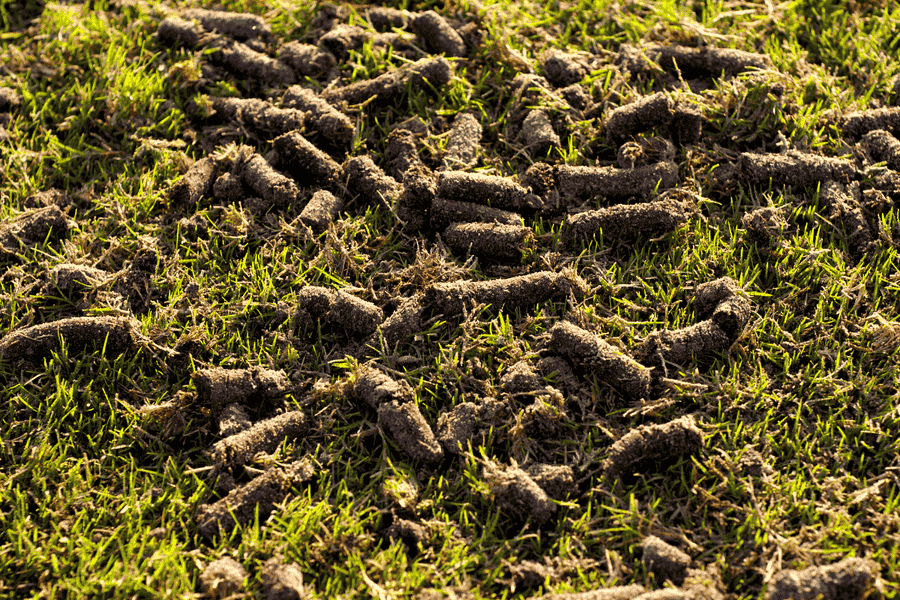
Consider applying a granular soil aerator to areas with compacted soil from tunnel collapse. This helps restore proper drainage and root development in damaged areas. Overseeding the entire lawn can help disguise patchy areas while improving overall grass density.
The Reality of Mole Control
Successful mole catching requires patience, observation, and systematic approach rather than quick fixes or miracle solutions. One captured mole doesn’t guarantee a mole-free future, as these animals are constantly expanding their territories and new individuals may discover your garden’s attractions.
Maintain vigilance for new activity signs and keep effective traps ready for quick deployment. The investment in proper equipment and technique pays dividends in maintaining the smooth, safe lawn you’ve worked to create. With persistence and the right approach, you can reclaim your garden from these industrious but unwelcome underground residents.