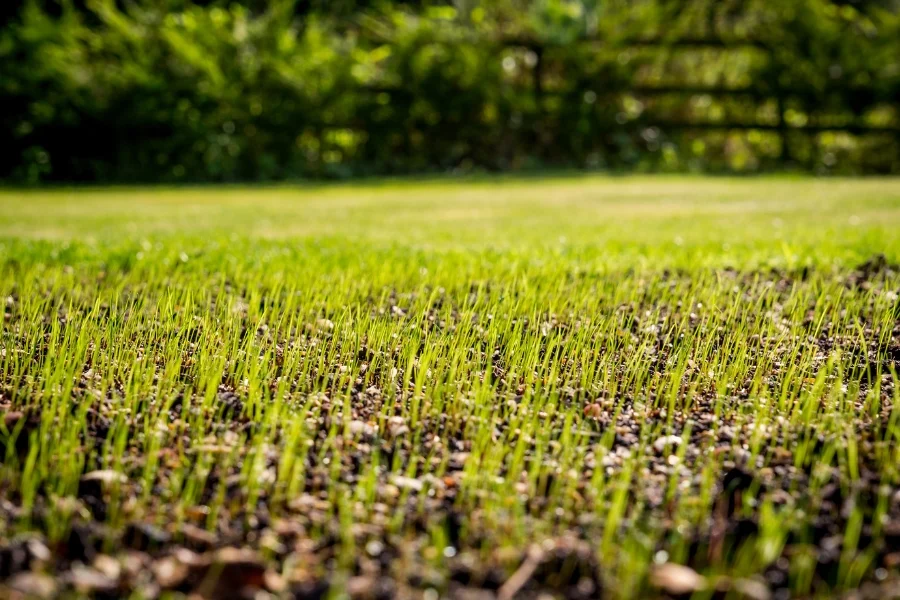
Grass seed, like many other gardening essentials, doesn’t last forever. Understanding how long your grass seed will remain viable is important for achieving that lush, green lawn. Typically, grass seed can last anywhere from one to five years, depending on how you store it. The storage conditions play a major role in preserving its germination power. Keep it in a cool, dry place, and make sure the packaging is sealed to avoid moisture exposure.
The shelf life of grass seed isn’t a fixed number. Temperature, moisture, and seed quality all come into play. Fresh seeds stored in the right conditions have a higher chance of maintaining their germination rate over time. It’s worth noting that even after a packet of seed has “expired,” it isn’t necessarily useless. Some seeds may still sprout, though not as reliably as fresh ones.
Checking and storing grass seed properly can make a big difference. Using simple tests like the damp paper towel method can help determine if the seed is still good for planting. For those looking to make their lawn care more efficient, understanding these nuances can save time and resources, ensuring your efforts lead to vibrant results.
| Grass Type | Average Lifespan | Storage Conditions |
|---|---|---|
| Kentucky Bluegrass | 2-3 years | Cool, dry place |
| Perennial Ryegrass | 3-5 years | Cool, dry place |
| Fescue | 3-5 years | Cool, dry place |
| Bermuda Grass | 2-3 years | Cool, dry place |
| Zoysia Grass | 1-2 years | Cool, dry place |
Understanding Grass Seed Shelf Life
Grass seed doesn’t last forever. Its shelf life depends on storage conditions, seed variety, and quality. Being informed about these factors will help maintain a healthy lawn.
Factors Affecting Seed Longevity
Grass seed longevity is influenced by various factors. Storage is important; seeds kept in a cool, dry place last longer. An open bag allows moisture in, reducing the shelf life. Temperature also plays a role. Hot conditions may damage seed viability, whereas cooler temperatures help preserve it.
The quality of the seeds is another significant factor. High-quality seeds often last longer and remain viable over time. It’s important to check the expiry date on the packaging for guidance. Opened bags generally have a shorter lifespan, typically between 1-2 years, while unopened bags can last up to 3 years.
Identifying High-Quality Grass Seed
Choosing high-quality grass seed impacts both germination success and shelf life. High-quality seeds are usually certified, ensuring their quality and variety are as described. Look for seeds that show no signs of mould or damage.
It’s important to choose the right grass seed variety for your lawn’s specific requirements. Selecting a suitable variety ensures both longevity and a lush lawn. Packaged seeds with a high purity rate are a good choice. A high purity rate indicates fewer weeds and other unwanted plants.
When shopping, consider packaging information. It often contains useful details about the type and quality. Reliable brands provide guidance on storage and usage to maximise seed effectiveness.
Assessing Seed Viability and Germination Rates
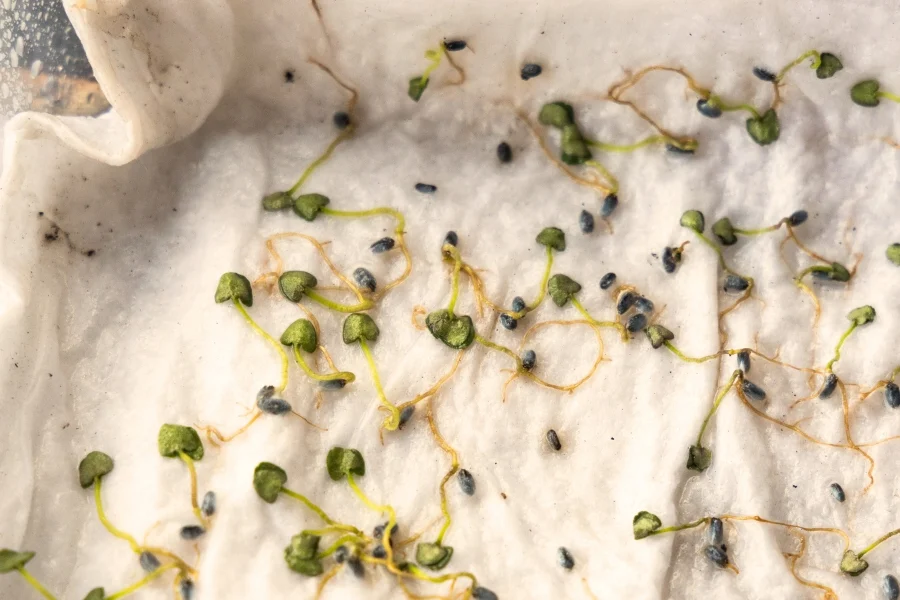
Checking seed viability ensures good germination results. Conduct a germination test to assess this. Sprinkle a few seeds on a damp paper towel, cover them, and keep in a warm place. After a week, check how many have sprouted.
A high germination rate indicates fresh, viable seeds. Seeds with low germination rates may lead to patches in the lawn. Older seeds generally have a reduced rate, so using fresh seeds is advisable.
Finally, understanding storage conditions is key. Proper storage extends shelf life and viability. Keep seeds in a cool, dry place, and avoid exposure to moisture and excessive heat.
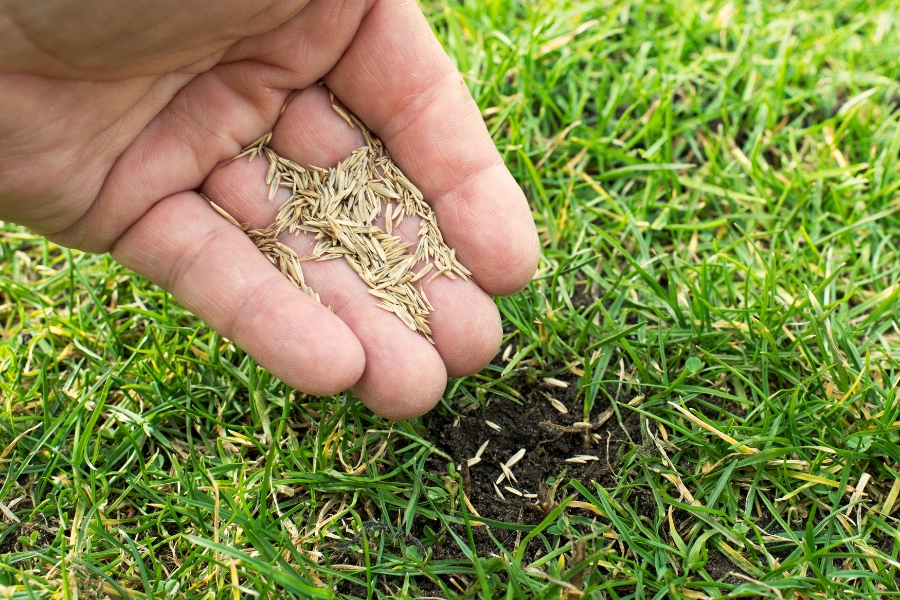
Optimal Storage Conditions for Grass Seed
Proper storage of grass seed is vital to ensure it remains viable over time. Factors such as temperature, humidity, and packaging significantly impact the seed’s shelf life.
Temperature and Humidity Control
Storing grass seed in the correct temperature and humidity conditions can greatly extend its life. Ideal temperatures are cool, ideally between 4°C and 10°C. High temperatures can decrease seed viability, so basements or garages that remain cool are often suitable storage spaces.
Humidity is another critical factor. Seeds should be kept in a space with low humidity, ideally below 40% relative humidity. High moisture content can lead to seeds becoming damp, which can reduce their germination rate or cause mould growth.
Best Practices for Securing Grass Seed
Properly securing grass seed is also important to maintain its quality. Using a sealed bag is recommended to protect seeds from moisture and pests. A tightly sealed environment ensures the seed remains unaffected by external humidity or contaminants.
When using bags, options like polypropylene provide stability and protection. Some prefer breathable bags to prevent condensation. Select the type of bag based on the environment where the seeds will be stored, considering factors like dampness or rodent presence.
The Role of Packaging in Preserving Seeds
Packaging plays a significant role in preserving grass seeds. Proper packaging can enhance long-term storage, making it effective for maintaining seed quality over time. Sealed packaging ensures that external elements such as water and air are kept out.
Using robust materials can provide additional layers of security. Labels showing the sealing date can help in monitoring the seed’s age. Additionally, consider the potential for pests and select packaging that protects against these threats.
Packaging factors combined with the right storage environment increase the chance of successful planting when it is time to sow.
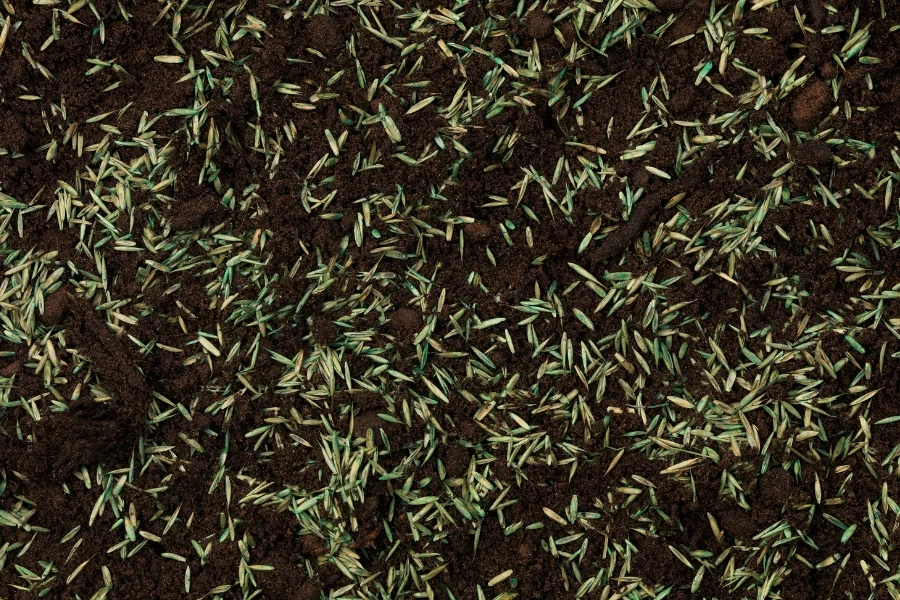
Common Issues with Stored Grass Seed
Grass seed can last anywhere from one to three years if stored correctly. However, improper storage can lead to issues such as mould, pest infestations, and decreased germination rates. Understanding how to protect seed from these problems ensures better results when it’s time to plant.
Preventing Mould and Fungal Growth
Stored grass seed is at risk of mould and fungi if exposed to moisture. Humidity and damp conditions create the perfect environment for these problems. To prevent this, seeds should be kept in a dry place with low humidity.
To enhance protection, use airtight containers. These containers can help control moisture levels. It’s important to check stored seeds regularly for signs of mould. If detected, it’s often best to dispose of affected seeds to avoid spreading and affecting germination.
Protecting Against Pests and Damp Conditions
Pests can be a big issue for stored grass seed. Insects, rodents, and birds may target seeds. Using sealed storage deals with these threats by creating a barrier. Additionally, storing seeds off the ground reduces access for pests like rodents.
Damp conditions also pose risks, promoting both pest infestations and decay. Ensure the storage area is dry and well-ventilated. Monitoring and managing moisture and temperature are key in preserving seed quality.
Detecting and Managing Expired Seeds
Grass seeds do have an expiration date. As seeds age, the likelihood of successful germination decreases. Expired seeds can often be identified by their compromised germination rates. A simple germination test can help check if older seeds are still viable.
To conduct a germination test, place a sample of seeds between moist paper towels in a warm place. Check for sprouting after a week. Consistently low sprouting may indicate expiration. Proper labeling with purchase and sealing dates helps track seed viability. Using seeds well before their expiration is generally recommended for better planting success.
Seeding and Overseeding Tips
Starting a lush and healthy lawn involves choosing the right time for seeding and using correct overseeding techniques. Soil temperature, moisture levels, and grass type are key factors.
Best Times to Sow Grass Seeds
For successful germination, timing is everything. For cool-season grasses like Kentucky bluegrass and perennial ryegrass, autumn is the best time to sow seeds. The soil remains warm, but the cooler weather reduces stress on the young grass.
Spring is another option, but watch out for weeds that thrive during this season. Warm-season grasses—like Bermuda grass—benefit most from planting in late spring or early summer when soil and air temperatures are on the rise. Moisture is essential at all times to ensure the seeds thrive.
Techniques for Successful Overseeding
Overseeding boosts lawn health by filling in bare spots and increasing turf density. First, mow the lawn low, trimming grass to 1.5-2 inches tall to let sunlight reach new seeds. Raking the surface removes debris and loosens soil for better seed contact.
When spreading seeds, use a spreader to distribute evenly. For quicker coverage, consider fast-germinating types like perennial ryegrass. Water frequently to keep the soil moist, aiding germination. Creeping bentgrass can add a lush finish, perfect for golf greens.
Proper overseeding reduces the need for chemical treatments, making it a more eco-friendly lawn care practice. Regular maintenance supports ongoing growth and keeps the lawn vibrantly green.