Knowing the right height for the first mow of the season is crucial for a healthy lawn. Beginning with a height of 5 to 7 centimetres is often recommended, providing a sturdy start for the growing season. Grass height can affect how well it thrives, particularly after a long winter.
Mowing at the proper height helps the grass to develop strong roots and withstand the changing weather. It’s advised to wait until the grass is actively growing before mowing. This ensures the grass is strong enough to recover from the cut.
For those unsure, observing local conditions can be helpful. Each lawn is different, so adjusting based on health and growth is important. Engage in this simple yet rewarding lawn care ritual and watch as your lawn transforms.
Key Takeaways
- Start with a grass height of 5-7 cm.
- Wait for active growth before the first mow.
- Adjust the height based on lawn health and conditions.

Determining the Ideal Mowing Height
Choosing the right mowing height is key to achieving a healthy lawn. It varies based on the grass type and how you set your lawn mower. Understanding these factors can lead to lush greenery in your garden.
Understanding Grass Types
Different grass types require different mowing heights. Cool-season grasses like perennial ryegrass, Kentucky bluegrass, tall fescue, and fine fescue thrive in cooler temperatures and can be cut shorter, typically between 2-4 cm. These grasses grow quickly in spring when the soil temperature is cooler.
Warm-season grasses, such as Bermuda grass, St. Augustine grass, and zoysia grass, thrive in warmer weather. They should be kept a bit longer, usually around 4-5 cm, to promote healthy leaf growth and root systems. Knowing your grass type is vital to maintaining its health and appearance.
Adjusting Your Lawn Mower
Lawn mowers come with adjustable cutting heights to cater to different grass types and conditions. It is advisable to start the season with the highest setting, especially after winter, to prevent stressing the grass. The first few cuts should gradually shorten the grass height without removing more than a third of the blade.
Adjust the mower for shady or dry areas, which benefit from a higher cut to preserve moisture. Mowing heights must be adjusted accurately to suit the lawn’s specific needs, ensuring optimal growth and resilience. Keeping blades sharp also improves mowing efficiency and the lawn’s appearance.

Preparing for the First Cut of the Season
In order to get the best results for the first mow of the season, it’s key to think about both soil temperature and the health of your grass. These factors play a vital role in ensuring your lawn thrives after its initial trimming.
Soil Temperature
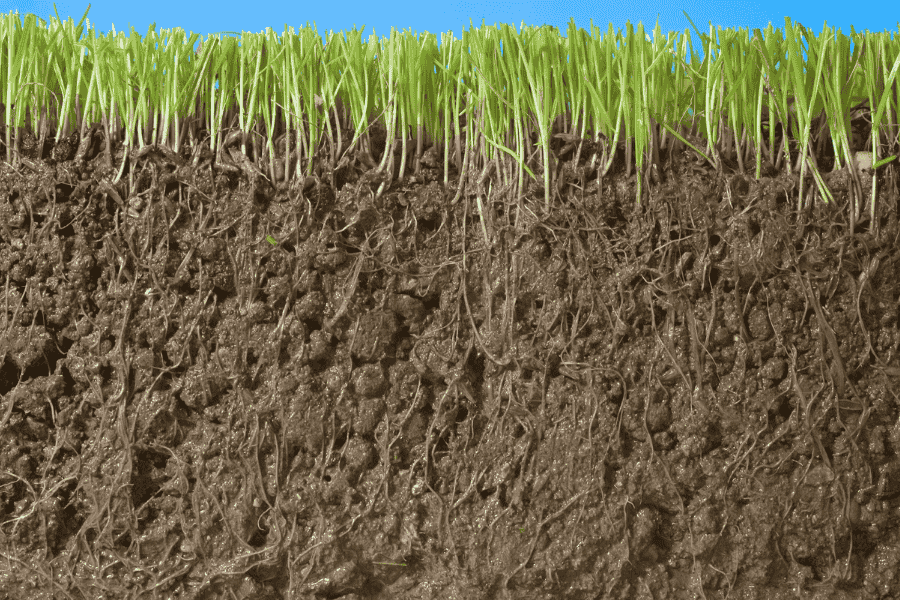
Understanding when to mow comes down to soil warmth. Grass needs the soil temperature to hit about 10°C (50°F) to grow. At this warmth, roots absorb nutrients well, aiding fresh growth. If you start mowing too soon, you risk damaging the grass as it hasn’t fully recovered. Gauge the temperature by inserting a thermometer into the soil, ensuring it stays at the right level before cutting.
Grass Health
Before taking out the mower, check if your lawn is healthy. Look for strong, upright blades that don’t easily bend when walked on. Proper preparation means removing debris like leaves or twigs. Ensuring there’s no clutter helps maintain lawn health and allows the grass to breathe. Raking the lawn can help to remove any thatch build-up, promoting better growth and a cleaner first cut.
Proper Mowing Techniques and Schedules
Mowing a lawn correctly requires careful attention to both technique and timing. This means maintaining the right cutting height, avoiding scalping, and sticking to a regular schedule for the best results.
Avoiding Scalping the Lawn
Scalping occurs when the mower cuts the grass too short, often exposing the soil beneath. This can stress the grass, making it vulnerable to weeds and disease. To prevent this, it’s important to set the mower blade to the correct height. A common rule is to never cut more than a third of the grass blade at a time.
Regularly sharpening the mower blades ensures a clean cut. When the grass is too long, consider using a strimmer first to avoid overwhelming the mower. Leaving the lawn slightly longer during the first mow in spring helps in retaining moisture and shading the soil.
Creating a Consistent Mowing Routine
Consistency in mowing is key to a healthy lawn. During the growing season, a weekly mow is generally recommended, but the frequency might vary depending on the weather and grass growth. By late spring and throughout summer, when grass is growing rapidly, mowing once every week keeps the lawn in top shape.
Adjusting the mower height according to the season is important too. In early spring, start with a higher setting and gradually reduce it as the grass starts to thrive. Collect grass clippings or opt to mulch them back into the lawn, which can be a natural way to nourish the soil.