Seeing your grass turn brown despite regular watering can be frustrating and puzzling. One common reason for this problem is fungal disease, which affects even well-maintained lawns. Fungi, such as Rhizoctonia Solani, thrive in hot and humid conditions, leading to unsightly brown patches.
Soil health plays a vital role too. Imbalances in soil pH levels can impede your grass’s ability to absorb nutrients, contributing to browning. Additionally, a lack of essential nutrients like nitrogen or iron can leave your lawn looking worse for wear, even when it’s well-watered.
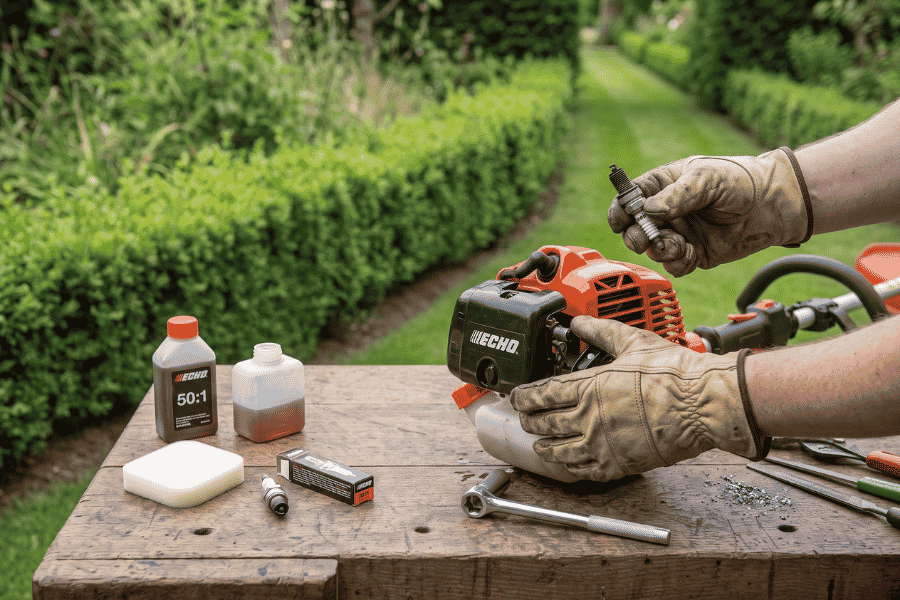
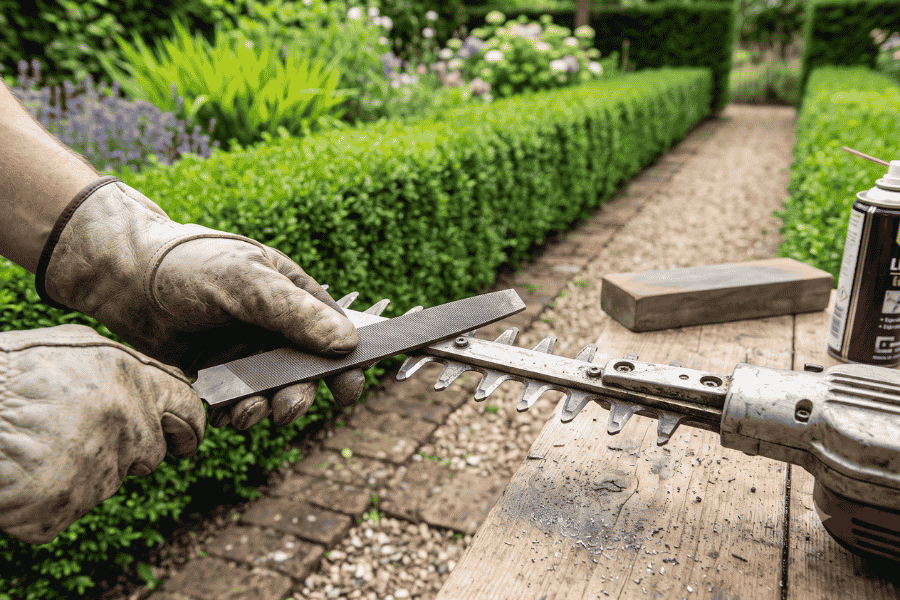
Environmental stressors can’t be overlooked either. During hot summer months, drought stress can cause grass to turn brown as it struggles to cope with the heat. Ensuring your mower blades are sharp while mowing can also prevent additional damage that might exacerbate the problem.

Understanding the Causes of Brown Grass
Various factors can contribute to the browning of grass, even when it is being watered adequately. These include soil health, lawn diseases, pest infestations, and environmental stress factors.
Soil Health and Composition
Soil health is a really important component for a vibrant lawn. Compacted soil can restrict root growth, leading to brown patches. Aerating the soil can alleviate compaction and improve nutrient and water penetration.
The pH level of the soil is also important. If it is too acidic or too alkaline, it can hinder nutrient absorption, causing the grass to turn brown. Regular soil testing can help maintain the optimal pH range, which is usually between 6.0 and 7.0 for most grass types. Amending the soil with lime or sulphur, as necessary, can correct pH imbalances.
Lawn Diseases and Fungal Infections
Lawn diseases and fungi can wreak havoc on a healthy lawn, especially under high humidity conditions. Common lawn diseases include dollar spot, brown patch, and rust.
Fungal infections thrive in moist environments and can spread rapidly if untreated. Signs of these infections include discoloured patches and spots on the grass blades. It’s crucial to identify and treat these diseases promptly with appropriate fungicides. Regularly removing thatch and not overwatering can also reduce the risk of fungal infections.
Pest Infestation and Grub Damage
Pests such as grubs and nematodes can cause significant harm to lawn health. Grubs feed on grass roots, creating weak, brown patches that can be easily pulled up. Nematodes, microscopic pests, can also damage roots and interrupt nutrient uptake.
Early detection and treatment are vital. Applying insecticides for grubs and nematicides for nematodes can control these pests. Regular monitoring and maintaining good lawn care practices, such as mowing correctly and keeping the lawn free from debris, can minimise the risk of infestation.
Environmental Stress Factors
Environmental stresses such as heat stress and drought can cause grass to brown. During periods of intense heat, grass can enter a dormancy stage to conserve water, leading to browning.
Inconsistent watering can exacerbate the issue. It’s important to water deeply and infrequently to promote deep root growth, especially in hot weather. Weather fluctuations and improper mowing techniques, such as cutting grass too short, can add further stress. Keeping the mower blades sharp and at the appropriate height can help maintain lawn health.

Proper Watering and Moisture Management
Efficient watering and moisture management are essential for maintaining green, healthy grass. This involves understanding correct irrigation methods, recognising signs of too much or too little water, and optimising the watering schedule.
Irrigation Techniques and Water Conservation
Implementing the right irrigation techniques can prevent brown patches. Drip irrigation systems deliver water directly to the roots, minimising evaporation. Alternatively, rotary sprinklers provide even coverage without waterlogging the soil.
Water conservation is equally important. Using a rain gauge helps monitor rainfall, ensuring additional watering is necessary only during dry spells. Mulching also retains soil moisture, reducing the need for frequent watering.
Signs of Overwatering and Underwatering
Knowing the signs of improper watering helps maintain lawn health. Signs of overwatering include mushy soil, fungal growth, and thatch build-up. Overwatered grass may look limp and pale green.
In contrast, underwatering results in wilting, dry patches, and crunchy texture. Grass becomes brown and brittle when deprived of sufficient moisture. Regularly inspecting grass can indicate whether adjustments to watering practices are necessary.
Optimising Watering Schedule for Healthy Grass
A well-planned watering schedule maintains lawn health. Water deeply but infrequently to encourage deep root growth. Early morning watering minimises evaporation and maximises absorption.
In hot seasons, adjust the frequency to counteract increased evaporation rates. However, avoid watering during peak sunlight to reduce water loss. Soil type also influences the schedule; sandy soils require more frequent watering than clay soils.
Weather conditions should guide watering decisions. Leveraging technology, such as smart irrigation controllers, ensures efficient watering tailored to environmental conditions.

Lawn Maintenance and Recovery Strategies
Effective lawn maintenance and recovery strategies are crucial for addressing brown grass despite watering. Key approaches include restoring nutrient balance through fertilisation, removing thatch and aerating the soil, and employing repair techniques for damaged lawn areas.
Restoring Nutrient Balance with Fertilisation
Maintaining a balanced nutrient profile is essential. Begin with a soil test to identify deficiencies. A nitrogen-rich fertiliser can promote green growth, while iron supplements correct yellowing.
Fertilisation Tips:
- Apply fertiliser in cool, early morning hours.
- Avoid fertilising during peak heat to prevent burning.
- Use slow-release formulas to ensure steady nutrient availability.
Regularly monitoring soil nutrients helps prevent future discolouration and promotes a lush, green lawn.
Thatch Removal and Aeration Processes
Excess thatch can block water and nutrients from reaching grass roots. Thatch removal improves soil aeration and water penetration.
Steps for Thatch Removal:
- Use a dethatching rake or machine to lift the thatch layer.
- Remove thatch in early spring or autumn when the grass is actively growing.
- Rake up and dispose of the removed thatch to prevent disease.
Aeration involves perforating the soil with small holes to allow air, water, and nutrients to reach deeper. Aerate compacted soil annually for healthy root development.
Lawn Repair and Renovation Techniques
Repairing damaged lawn areas involves reseeding or patching, especially in spots where grass has died.
Repair Techniques:
- Reseeding: Remove dead grass, loosen soil, and evenly spread grass seed. Lightly water daily until seeds germinate.
- Patching: Use sod pieces or grass plugs to cover bare spots. Ensure good soil contact and water regularly.
For extensive damage, consider larger renovation projects. Replace affected areas with new sod or overseed the entire lawn to promote uniform growth.

Preventive Measures and Long-Term Lawn Care
Effective lawn care involves many strategies including pest management and disease monitoring. These practices ensure a healthy and green lawn all year round.
Adopting Integrated Pest Management
Integrated Pest Management (IPM) is a critical approach to maintaining a healthy lawn. This method involves regular monitoring and the use of biological, cultural, mechanical, and chemical controls to manage pests effectively. By using natural predators, such as ladybirds, pests can be reduced without relying heavily on chemicals.
Regular weeding is also essential. Weeds compete for resources and can spread diseases. Organic herbicides are often recommended as they are less harmful to beneficial insects and the environment.
Maintaining healthy soil is another crucial factor. Ensuring your soil has sufficient organic matter supports robust grass growth. Aerating the soil and adding compost can improve root development and nutrient uptake.
Routine Monitoring and Treatment of Diseases
Frequent inspection of your lawn helps identify diseases early. Look for irregular patches, discolouration, or unusual growth patterns. Common diseases like red thread, brown patch, and dollar spot can often be mitigated with early intervention.
Maintain proper mowing practices. Mow at the recommended height and keep mower blades sharp. Dull blades can damage grass, making it more susceptible to diseases.
Watering practices should be adjusted seasonally. Over-watering can promote fungal growth, while insufficient watering during dry spells can stress the lawn. Water deeply and infrequently to encourage deep root systems.
Using fungicides only when necessary and opting for resistant grass varieties can also reduce disease incidence. Combining these methods contributes to long-term lawn health and sustainability.