In the world of modern gardening, we are often sold a different chemical for every single problem. There is a spray for black spot, a pellet for pH levels, and a feed for yellowing leaves. Yet, for centuries, professional gardeners and farmers have relied on one simple, natural element to tackle all these issues at once: Sulphur.
Often found on garden centre shelves as “Yellow Sulphur” or “Flowers of Sulphur,” this bright yellow powder is a multitasking powerhouse. It is a fungicide, a pesticide, a soil conditioner, and an essential plant nutrient all rolled into one.
At Compass Garden Machinery, we believe that understanding your soil and your inputs is just as important as having the right machinery to work them. Whether you are prepping a vegetable patch with a tiller or maintaining a prize-winning rose garden, sulphur could be the missing ingredient in your shed.
The Quick Answer
Sulphur is a naturally occurring element primarily used in gardening as a fungicide to control powdery mildew and black spot on roses and vegetables. It is also used as a soil acidifier to lower pH levels for acid-loving plants like blueberries, rhododendrons, and azaleas. Beyond the garden, its main industrial use is the production of sulfuric acid, which is vital for manufacturing fertilisers, batteries, and even the rubber tyres on your lawnmower.

1. The Fungicide: Banishing Mould and Mildew
The most common use for sulphur in the UK garden is disease control. Unlike modern systemic fungicides, which enter the plant’s sap stream, sulphur works on contact. It prevents fungal spores from germinating, making it an excellent preventative measure.
Powdery Mildew: If you grow courgettes, squashes, or grapes, you have likely seen a white, dusty coating on the leaves in late summer. This is powdery mildew. Dusting or spraying sulphur onto the foliage changes the leaf surface acidity, creating an environment where the mildew simply cannot survive.
Black Spot and Rust: For rose growers, black spot is the enemy. Regular applications of sulphur spray (often sold as “Wettable Sulphur”) during the growing season create a protective barrier that keeps foliage clean and healthy without resorting to harsh synthetic chemicals.
2. The Soil Acidifier: Helping Blueberries Thrive
Have you ever tried to grow a rhododendron or a blueberry bush, only to watch the leaves turn yellow and the plant slowly die? This is usually because your soil is too alkaline (chalky).
These “ericaceous” plants need acidic soil to access nutrients. If the soil pH is too high, they cannot absorb iron, leading to chlorosis (yellowing).
How Sulphur Helps: Sulphur chips or pellets are the most effective long-term way to lower soil pH. When you mix sulphur into the earth, soil bacteria slowly convert it into sulfuric acid. This natural reaction neutralises the chalk and acidifies the soil.
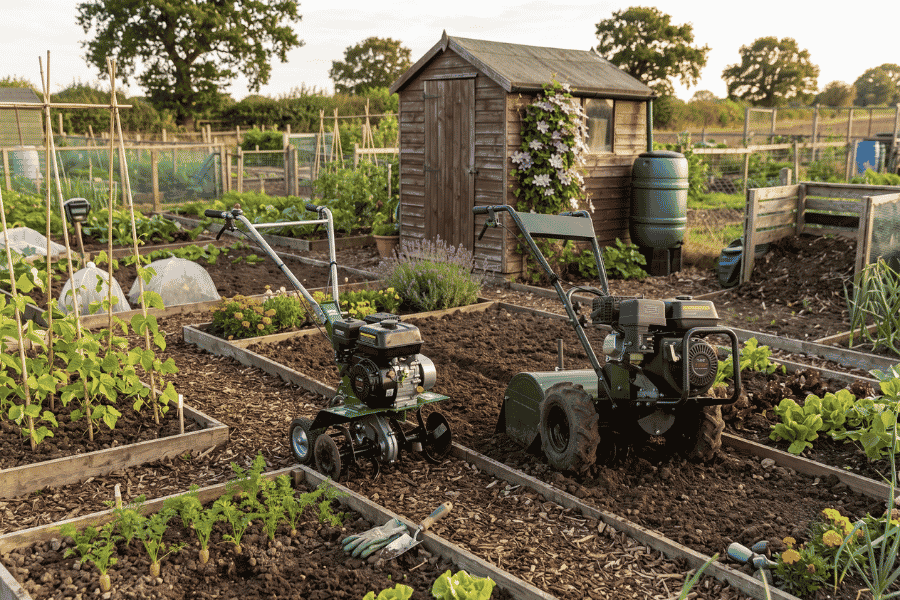
Application Tip: This is not an instant fix. It takes months for the bacteria to do their work. For the best results, apply sulphur chips in the autumn or winter. Use a cultivator or rotavator to thoroughly mix the sulphur into the top 15cm of soil, ensuring even distribution before planting in the spring.
3. The Essential Nutrient: The “Fourth Macro”
We all know about NPK (Nitrogen, Phosphorus, Potassium), the holy trinity of plant food. However, many agronomists consider Sulphur to be the “fourth macronutrient.”
Plants need sulphur to produce chlorophyll (for photosynthesis) and proteins. A sulphur-deficient plant will look pale, spindly, and stunted, with symptoms often mistaken for nitrogen deficiency.
Historically, our gardens got plenty of sulphur from the smoky coal fires of industry (acid rain). With cleaner air laws, our atmosphere is cleaner, but our soils are now sulphur-deficient. Adding sulphur improves the protein content of crops and helps vegetables like onions and garlic develop their strong, pungent flavour.

How to Apply Sulphur Safely
There are three main forms of sulphur available to the home gardener, and each requires a different application method.
1. Dusting Powder (Flowers of Sulphur) This is a fine, dry powder. It is usually applied using a “puffer pack.” You squeeze the bottle to puff a cloud of dust over the leaves. It is great for spot-treating mildew on roses or dusting bulbs before storage to prevent rot.
2. Wettable Sulphur (Spray) This powder is formulated to mix with water. It doesn’t dissolve but forms a suspension.
Best for: Large areas or dense foliage.
Equipment: Mix it in a knapsack sprayer to ensure you can reach the undersides of leaves where fungal spores hide. Agitate the tank regularly to stop the powder settling.
3. Soil Chips or Pellets These are slow-release lentils of sulphur used for pH adjustment.
Best for: Preparing new beds or treating lawns.
Equipment: For a large vegetable plot or lawn, using a broadcast spreader ensures an even application rate. If you dump it all in one spot, you will create a toxic “hot spot” where nothing will grow.
Important Safety Rules
While natural, sulphur is still a chemical and must be treated with respect.
Temperature Warning: Never apply sulphur spray when temperatures are above 28°C (82°F). In hot sun, sulphur can “burn” plant leaves, causing scorching. Apply it in the cool of the early morning or evening.
The “Oil” Rule: Never use sulphur within 14 days of using an oil-based spray (like Neem oil or horticultural oil). The combination causes a chemical reaction that will kill your plants.
Personal Safety: Sulphur dust is irritating to the eyes and lungs. Always wear gloves, goggles, and a mask when applying powders, especially on windy days.

Conclusion
Sulphur is far more than just a smelly yellow powder. It is a versatile tool that allows you to manipulate your soil conditions and protect your crops naturally. Whether you are using a rotavator to turn acidic chips into a blueberry bed or using a sprayer to keep your roses prize-perfect, sulphur is a cost-effective solution that belongs in every gardener’s armoury.
By understanding how and when to use it, you can reduce your reliance on synthetic chemicals and work with nature to build a healthier, more productive garden.