A well-maintained lawn not only enhances the curb appeal of a property but also provides various health benefits for the ecosystem. To keep a lawn lush and healthy, fertilising is an essential process.
The optimal time to wait before mowing the lawn after fertilising depends on the type of fertiliser used. For liquid fertilisers, it is generally safe to mow the grass once it is dry, which typically takes about four hours.
In contrast, when using granular fertilisers, it’s recommended to wait for 24 to 48 hours after application. It is crucial to water the fertiliser thoroughly and allow the grass to dry completely before commencing the mowing process to achieve the best results.

Understanding Lawn Fertilisation
Role of Nutrients in Grass Development
Lawn fertilisation plays an important role in maintaining a healthy and vibrant lawn. When you apply fertilisers, you provide essential nutrients, such as nitrogen, phosphorus, and potassium, that grass needs to grow strong and robust.
Nitrogen primarily promotes leaf growth and enhances the lush green appearance of your lawn. Phosphorus is important for establishing a healthy root system, while potassium assists with overall plant health, including resistance to diseases and drought tolerance.
Types of Fertilisers
There are two main types of lawn fertilisers: granular and liquid.
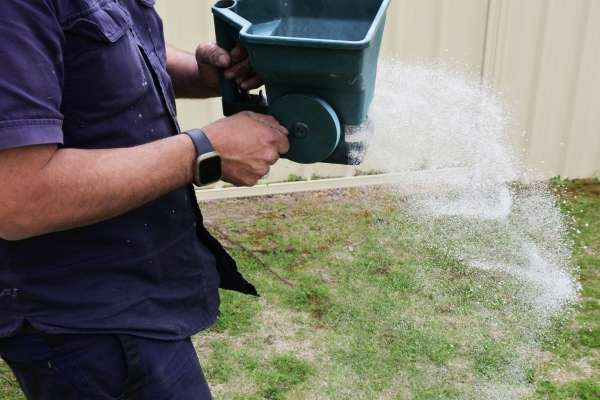
- Granular fertilisers are solid, dry pellets that are applied to the grass using a spreader. They can be slow-release or fast-release and offer a longer-lasting source of nutrients, as they break down over time.
- Liquid fertilisers are mixed with water and applied using a sprayer or hose-end applicator. They offer quick absorption by the grass and a quicker response but may need to be applied more frequently than granular fertilisers.
There is also a variety of fertilisers formulated with specific blends of nutrients to address different lawn needs. Organic nutrients from natural sources, such as compost and manure, can also be used to improve soil fertility and add beneficial microorganisms.
Selecting the Appropriate Fertiliser
Choosing the right fertiliser for your lawn begins with a soil test. A soil test measures the nutrient levels of your soil and helps to determine which nutrients are lacking and need to be added through a fertilisation programme. Based on the soil test results, it becomes easier to select a fertiliser with the appropriate nutrient ratio for your needs.
You’ll need to follow the recommended fertilisation guidelines and schedules to achieve the best results. Over-fertilising can cause excessive growth, making it difficult to maintain the lawn and rendering it more susceptible to diseases and pests. Each fertiliser will have specific instructions on the correct application rate, which should always be followed.
To maintain a healthy lawn, combine fertilisation with proper mowing, watering, and other cultural practices to optimise grass growth and minimise the risk of issues like weed infestations and disease outbreaks. By understanding fertilisation, you’ll be well on your way to nurturing a lawn that’s not only attractive but also environmentally responsible.

Optimal Mowing Practices
Determining Correct Mowing Height
The ideal mowing height for your lawn depends on the type of grass you have. Generally, taller grass blades have deeper roots, which result in a healthier and more robust turf. To avoid stressing the grass, never remove more than one-third of the grass blade’s length when mowing. Below is a list of common grass types and their recommended mowing heights:
- Fine fescue: 2.5-3.5 cm (1-1.5 inches)
- Kentucky bluegrass: 3.75-5 cm (1.5-2 inches)
- Perennial ryegrass: 3.75-5 cm (1.5-2 inches)
- Tall fescue: 5-7.5 cm (2-3 inches)
- Bermuda grass: 2.5-4 cm (1-1.5 inches)
- Zoysia grass: 2.5-4 cm (1-1.5 inches)
Mowing Frequency and Timing
Proper mowing after fertilising is crucial to allow grass to absorb the nutrients efficiently. It is recommended to wait 24 to 48 hours after fertilising before mowing. This ensures the fertiliser has penetrated the soil and grass roots. Mowing before fertilising is also acceptable, but always ensure a proper gap between the two tasks.
Mowing frequency depends on grass growth and the time of year. During the growing season, most lawns require mowing once a week. In periods of faster growth or following fertilisation, you may need to mow more frequently, while in slower growth periods or the off-season, it may be less frequent.
Proper Mower Maintenance
Having a well-maintained lawn mower is important for achieving optimal mowing results. One key aspect is keeping the mower blade sharp. A sharp blade ensures clean-cut grass blades, reducing the likelihood of disease or other damage. Dull blades can tear the grass, making it more susceptible to pests and diseases.
Here are a few tips for proper mower maintenance:
- Inspect and sharpen the blade regularly: Aim to sharpen the mower blade at least once or twice every mowing season. If you notice signs of wear or damage, sharpen, or replace the blade as needed.
- Clean the mower deck after each use: Removing accumulated grass clippings and debris from the mower deck reduces the build-up of moisture and corrosive elements, prolonging the life of your mower.
- Check oil and fuel levels: Make sure your mower has an adequate oil and fuel supply. Following the owner’s manual, change the oil and replace fuel and air filters as needed.
- Store the mower in a dry, sheltered area: Proper storage protects your mower from moisture and temperature fluctuations, which can cause corrosion and other mechanical issues.

Lawn Care Scheduling
Fertilising and Mowing in Different Seasons
To maintain a healthy and lush lawn, you’ll need to establish a proper schedule for fertilising and mowing throughout the year. This may vary depending on the type of grass and the prevailing climatic conditions.
- Spring: This is the growing season for both cool-season and warm-season grasses. Apply fertiliser during this period to promote healthy growth and mow the lawn regularly to keep it neat. Allow for a wait time of 24 to 48 hours after applying fertiliser before mowing, giving the nutrients enough time to be absorbed into the soil and grass.
- Summer: Continue mowing the lawn as necessary, especially for warm-season grasses, which grow more during this season. Apply fertiliser sparingly, as excessive use during hot and dry periods can cause grass stress. Make sure to water your lawn regularly to maintain soil moisture and nutrient uptake.
- Autumn: For cool-season grasses, this is another important period for fertilisation. Apply fertiliser during the early autumn months to ensure proper nutrient provisioning for the upcoming winter dormancy. Mowing frequency may decrease, as grass growth slows.
- Winter: Grasses generally enter a dormant state in winter, so mowing is less frequent. It is not necessary to fertilise during this period. Focus on removing any debris, such as leaves or branches, to keep the lawn clean and prevent the harbouring of pests.
Weed and Pest Control Integration
Incorporating weed and pest control into your lawn care schedule can further improve the health and condition of your grass. Consider the following guidelines:
- Timing: Apply weed control treatments during late spring when weed growth is most active, and pest control treatments during the warmer months when pests emerge. Taking care of these issues concurrently with your fertilising schedule can help improve the overall effectiveness of your lawn maintenance.
- Post-treatment care: After applying treatments for weeds or pests, wait at least four days before mowing, allowing the chemicals time to work their way into the grass and soil.
- Monitor and adjust: Regularly inspect your lawn for signs of weeds, pests, or other issues, and adjust your lawn care schedule accordingly.

Post-Fertilisation Lawn Care
When to Water After Fertilising
After applying lawn fertiliser, you will need to water the grass to help the nutrients penetrate the soil and reach the roots. For liquid fertilisers, watering should be done immediately after application.
With granular fertilisers, it is advisable to water the lawn within 24 hours. It’s essential to ensure the soil is moist but not overly saturated. Keep an eye on the weather; if rainfall is expected soon, you may not need to water the lawn yourself.
Grass Clipping Management
Proper management of grass clippings is vital to maintain lawn health after fertilising. It’s best to start mowing the lawn once the grass is dry — usually around 4 hours after applying liquid fertiliser or 24-48 hours for granular products.
If possible, use a mulching mower, which chops the clippings into fine pieces and redistributes them on the lawn as a natural fertiliser. This process helps return essential nutrients to the soil, promoting healthy grass growth.
However, if the clippings are too long or clumpy, consider bagging and composting them instead, as they can smother the grass and hinder nutrient absorption.
Monitoring Lawn Health
Regular monitoring of your lawn’s health after fertilising is important to ensure its optimal growth and vitality. Pay attention to the grass colour and thickness. A healthy lawn should be a vibrant green with even coverage across the area. Observe the soil moisture and adjust your watering schedule accordingly to avoid over- or under-watering.
Keep a lookout for signs of nutrient deficiencies that may manifest in the form of yellowing or wilting. If such symptoms occur, consider adjusting the fertiliser type or application rate.
Lastly, maintain your mower’s condition by sharpening the blades and setting the cutting height appropriately. Dull blades may damage the grass and contribute to an unhealthy-looking lawn.
By following these post-fertilisation lawn care practices, you can ensure that your lawn remains healthy and vibrant throughout the growing season.