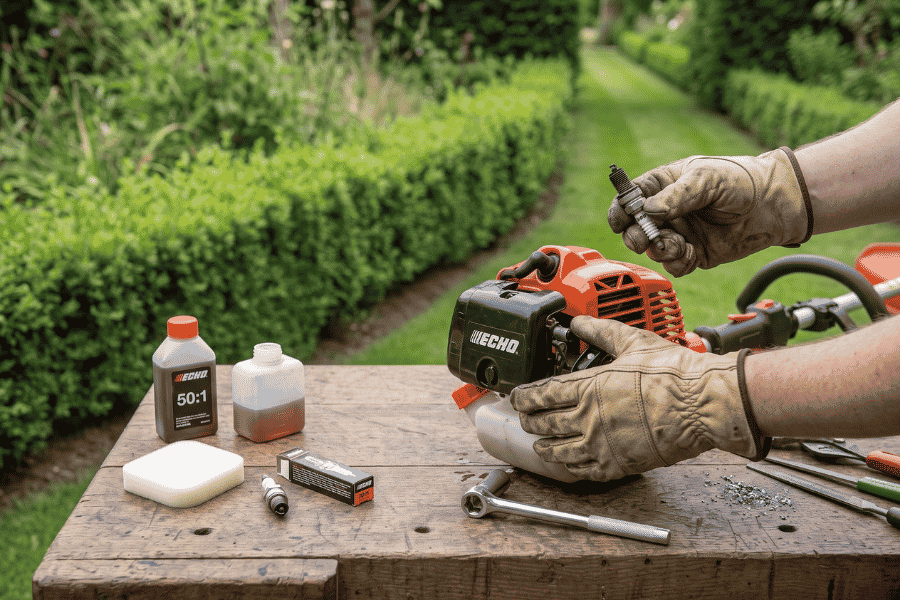
There’s a particular kind of frustration that hits when your trusty chainsaw coughs, splutters, and refuses to start, especially when you’ve got work to do. Often, the culprit isn’t a major mechanical failure but something much simpler and entirely preventable: the wrong fuel mixture in the tank. Getting the petrol-to-oil ratio spot on isn’t just a recommendation; it’s absolutely critical for your chainsaw’s health, power, and your safety.
Unlike your car or lawnmower, most chainsaws use a two-stroke engine, which lacks a separate oil sump. Instead, these compact powerhouses rely on oil mixed directly into the petrol. That fuel-oil blend lubricates the engine’s internal parts such as the piston, crankshaft, and bearings, while also providing power as it burns. Get the ratio wrong and problems are guaranteed to follow.
Pouring in straight petrol or guessing the ratio might get the saw running briefly, but it’s a shortcut to serious and often irreversible engine damage. Too much oil brings its own set of headaches. Understanding why the mix matters, knowing what your particular saw needs, and mixing it correctly are essential skills every chainsaw owner should master.
Why the Right Mix is Essential
Using the correct petrol-oil mixture is the lifeblood of a two-stroke engine. Without it, your chainsaw simply can’t function properly or for long.
When the oil content is too low, the engine’s moving metal parts are left dangerously under-lubricated. This leads to rapid, severe wear, with the piston potentially seizing in the cylinder or the crankshaft bearings failing. It’s the kind of internal destruction that often ends in the scrapyard instead of the workshop.
Too much oil, on the other hand, results in incomplete combustion. You’ll notice excessive blue or white smoke, fouled spark plugs, carbon build-up, and a drop in engine performance. The saw might feel sluggish or bog down under load, struggling to maintain power.
A lean mix with too little oil also causes the engine to run much hotter. Without enough lubrication, heat can’t be carried away from key components effectively. This accelerates wear and increases the chance of piston seizure. On top of that, any incorrect mix makes the engine harder to start and more prone to stalling or inconsistent running, especially when you need it most.

Know Your Ratio
Not all chainsaws are built the same, and neither are their fuel requirements. There are two main mixing ratios to be aware of.
The modern standard is 50:1, meaning 50 parts petrol to 1 part oil. Most chainsaws built in the last 20 to 25 years use this ratio. For example, 1 litre of petrol needs 20 ml of oil, and 5 litres needs 100 ml.
Older chainsaws, particularly those made before the 1990s, might call for a 25:1 mix. That’s 40 ml of oil per litre of petrol. This richer mixture was necessary for older engine designs with different tolerances and materials.
The most important rule is to check your chainsaw’s manual. It will tell you the exact ratio required. If the manual is missing, look it up online using your make and model number. Don’t assume or copy the mix used for a different saw.
Ethanol in Petrol: Why It Matters
Today’s standard unleaded petrol in the UK (E10 or sometimes E5) contains ethanol. It’s added to reduce emissions, but it creates problems for small engines.
Ethanol attracts moisture from the air, which can separate inside your fuel tank and create a stale or corrosive mix. That water content can lead to starting issues, corrosion, and poor running. Ethanol can also degrade rubber and plastic parts in your chainsaw’s fuel lines, seals, and carburettor over time, causing leaks, clogs, and eventual failure.
To reduce these risks:
Use fresh fuel. Only mix enough for four to six weeks of use.
Consider Aspen or alkylate fuel. These ethanol-free options are made specifically for small engines, last much longer in storage, and burn cleaner. While more expensive per litre, they often save money in the long run.
Use a fuel stabiliser. If you must use regular unleaded and need to store the mix, add stabiliser when mixing the fuel. It helps reduce ethanol-related problems.

Mixing the Fuel Properly
Precision matters when mixing your chainsaw fuel. Here’s a simple and reliable process.
Start with fresh, high-octane unleaded petrol. Ideally use 97+ or super unleaded. Make sure your petrol can is clean and only used for two-stroke fuel.
Choose a two-stroke oil designed for air-cooled engines. Look for standards like JASO FD or ISO-L-EGD on the label.
Use a clean, marked measuring jug or an oil bottle with a built-in measuring chamber. Pour the petrol into your fuel can first, followed by the oil. Secure the cap and shake the can well for at least 30 seconds so the mix becomes fully combined and evenly coloured.
Clearly label your fuel can with the ratio and date of mixing.
Storage Tips
Mixed fuel deteriorates quickly, especially if it contains ethanol.
Mix only what you’ll use within four to six weeks.
For longer storage, use ethanol-free fuel like Aspen.
Store in a cool, dry, and dark place in a sealed container.
If you won’t use the chainsaw for several weeks, drain the tank and run the engine until it stops. This prevents fuel residue from damaging the carburettor and fuel system.

Conclusion
Getting the petrol mix right isn’t complicated, but it does require care. This one simple maintenance step affects your chainsaw’s performance, longevity, and reliability. Always follow your saw’s recommended ratio, measure carefully, use the correct oil, and mix only what you need.
Being mindful about ethanol content and fuel quality can save you time, money, and future frustration. A well-mixed, high-quality fuel keeps your chainsaw running smoothly and safely for years to come.